Sherman Jeep – Which 4×4 Conquers Trails Better around Evanston, IL — the 2026 Jeep Wrangler or the 2026 Ford Bronco?
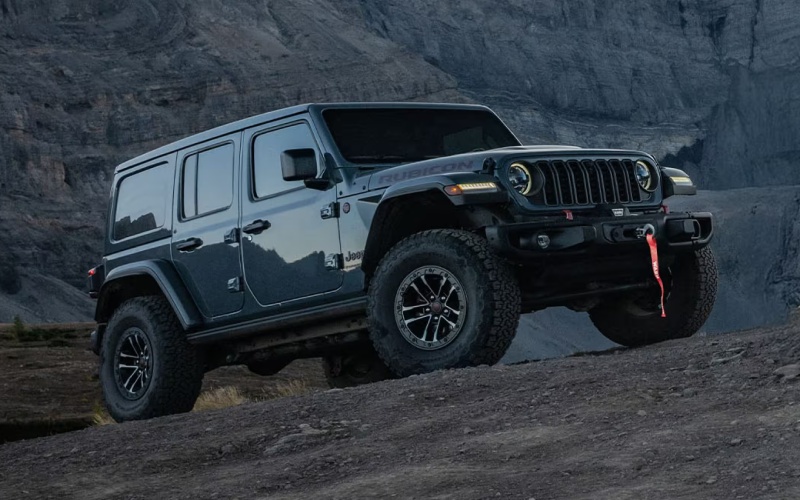
When off-road capability sits at the top of your list, the conversation naturally becomes Wrangler versus Bronco®. Both are trail-proven, both welcome door-off and roof-off driving, and both pack advanced traction tech. The real difference emerges in how each SUV delivers capability and choice. Jeep brings a rare combination: a fold-down windshield for unparalleled visibility, live axles front and rear for rock-solid articulation, and the widest powertrain spread in the segment, including a plug-in hybrid and a V8. Bronco® counters with a sophisticated independent front suspension tuned for speed and control over rough ground, plus lockers, a sway-bar disconnect, and clever trail tech. This guide explores the strengths of each so you can decide which formula suits your weekends and weekdays.
On narrow, technical trails where clearance and tire placement matter most, a live front axle remains the preferred setup for experienced off-roaders. Wrangler’s articulation helps keep tires planted when the terrain gets lopsided or stair-stepped. The 4xe plug-in hybrid adds instant electric torque for precise crawling, while the Rubicon 392’s V8 power reshapes what a factory-build can do at elevation or in deep sand. Bronco® shines when trails open up and speed builds, benefitting from the HOSS suspension’s ability to track straight and soak up whoops. Both vehicles offer front and rear lockers, electronically disconnecting sway bars, and available 360-degree camera systems that put an extra set of eyes on the trail. Choosing between them means prioritizing either low-speed finesse and unique open-air features or higher-speed composure and cowl-mounted mirrors.
- Axle philosophy: Wrangler uses solid axles front and rear for articulation; Bronco® pairs an independent front with a solid rear for stability and control at speed.
- Open-air options: Both remove doors and roof; Wrangler uniquely adds a fold-down windshield and factory half doors for enhanced sightlines.
- Trail tech: Each offers lockers, a front sway-bar disconnect, and a 360-degree camera with a forward view to help spot obstacles.
- Powertrain variety: Wrangler adds a plug-in hybrid and a V8 to the mix; Bronco® focuses on turbocharged four- and six-cylinder engines.
- Daily usability: Wrangler’s Uconnect 5 with a 12.3-inch display is fast and intuitive; Bronco® counters with SYNC 4 and rich app integration.
Start with a simple framework. If your favorite trails involve rock gardens, ledges, and tight switchbacks, the Wrangler’s articulation advantage and available 4xe electric torque pay dividends. If your adventures tend toward desert paths or fast two-tracks, Bronco® delivers a reassuring blend of steering precision and suspension control. Both handle Midwest winters with confidence, aided by modern traction systems and robust tire choices. For daily commutes, each offers wireless smartphone integration, driver-assist suites, and upgradeable audio systems. The remaining tie-breakers come down to open-air character and authenticity: only Jeep provides a fold-down windshield and factory half doors, features that transform visibility and cabin feel in a way unique to the nameplate.
- Define your terrain: Tight, technical routes favor articulation; faster, flowing trails favor composure.
- Choose your power: Prioritize instant electric torque (4xe) or the visceral punch of a V8, versus turbo four- and six-cylinder options.
- Set your open-air goals: Decide whether a fold-down windshield and half doors are must-haves for your kind of exploring.
- Think daily use: Evaluate infotainment responsiveness, seat comfort, and driver-assist features for your commute patterns.
Our advice for shoppers who split time between city and trail is to map real-world use before deciding. If commuting and weekend crawling share equal weight, Wrangler’s powertrain breadth and articulation give it the edge. If long, fast dirt roads and open desert are your playground, Bronco® remains a confident choice. For hands-on comparisons that account for your exact routes and plans, visit Sherman Dodge Chrysler Jeep Ram, serving Evanston, Niles, and Chicago. A guided drive that includes tight parking-lot maneuvers, a stretch of rough pavement, and a controlled off-pavement loop will make the differences obvious and help you select the right build.
Frequently Asked Questions:
Does either SUV offer a plug-in hybrid for quiet trail driving?
Yes—Wrangler’s 4xe plug-in hybrid provides electric-assist torque ideal for slow-speed crawling and early-morning trailheads. Bronco® does not offer a plug-in hybrid at this time.
Can both vehicles remove doors and roof for open-air driving?
Yes—both do. Wrangler also folds its windshield and offers factory half doors, adding visibility and a classic open-cab feel.
Which one is better for rock crawling?
Wrangler’s live axles, lockers, and sway-bar disconnect favor technical crawling, while Bronco® brings strong capability with an independent front setup tuned for speed and control.